%2Ffit-in%2F250x250%2Fguide_websites%2F31444%2Fimages%2F17503873864245994b64f-b129-4fcb-8392-a633e0064a43.png&w=1920&q=100)
/users/fb398e7b-c7fd-4655-93cc-a4e5b2fc0082/ratecard/rsw_1160hh.jpeg)
%2F300x300%2Fusers%2Ffb398e7b-c7fd-4655-93cc-a4e5b2fc0082%2Fratecard%2Frsw_1160hh.jpeg&w=256&q=75)
%2F300x300%2Fusers%2Ffb398e7b-c7fd-4655-93cc-a4e5b2fc0082%2Fimages%2Fflorida-redfish-catch-3044.jpg&w=256&q=75)
%2F300x300%2Fusers%2Ffb398e7b-c7fd-4655-93cc-a4e5b2fc0082%2Fimages%2Fredfish-tampa-bay-fishing-tours-3111.jpg&w=256&q=75)
%2F300x300%2Fusers%2Ffb398e7b-c7fd-4655-93cc-a4e5b2fc0082%2Fimages%2Fmonster-snook-tampa-bay-3010.jpg&w=256&q=75)
%2F300x300%2Fusers%2Ffb398e7b-c7fd-4655-93cc-a4e5b2fc0082%2Fimages%2Fsnook-fish-tampa-bay-3071.jpg&w=256&q=75)
%2F300x300%2Fusers%2Ffb398e7b-c7fd-4655-93cc-a4e5b2fc0082%2Fimages%2Fredfish-tampa-bay-fishing-tour-3013.jpg&w=256&q=75)
%2F300x300%2Fusers%2Ffb398e7b-c7fd-4655-93cc-a4e5b2fc0082%2Fimages%2Fsnook-fishing-tour-florida-3172.jpg&w=256&q=75)
%2F300x300%2Fusers%2Ffb398e7b-c7fd-4655-93cc-a4e5b2fc0082%2Fimages%2Fsnook-fish-florida-fishing-3022.jpg&w=256&q=75)
%2F300x300%2Fusers%2Ffb398e7b-c7fd-4655-93cc-a4e5b2fc0082%2Fimages%2Ffishing-florida-one-person-3066.jpg&w=256&q=75)
%2F300x300%2Fusers%2Ffb398e7b-c7fd-4655-93cc-a4e5b2fc0082%2Fimages%2Fhuge-hogfish-tampa-bay-fishing-3144.jpg&w=256&q=75)
%2F300x300%2Fusers%2Ffb398e7b-c7fd-4655-93cc-a4e5b2fc0082%2Fimages%2Fhuge-snook-florida-fishing-tour-3164.jpg&w=256&q=75)
Homosassa Half-Day Inshore Fishing | Sassa Fishing
What you will be catching:
 Redfish
 Sea Trout
 Sheepshead
 Snook
Snook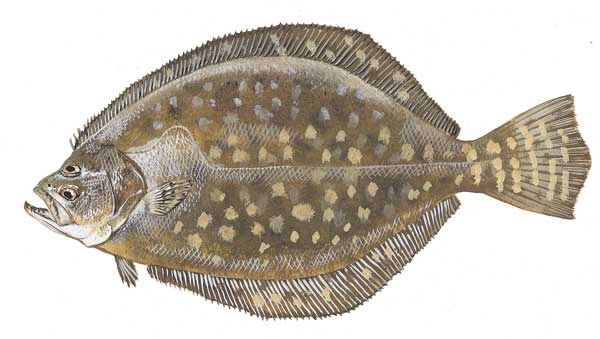 Southern Flounder
- Join us for a relaxing 4-hour inshore fishing adventure in Homosassa's pristine waters. We'll target redfish, snook, and seatrout as we explore shallow grass flats and mangrove shorelines that make this area famous among Florida anglers. Your trip includes all fishing gear, licenses, and refreshments – we even clean your catch if you want to take it home. With space for just 2 guests, you'll get personalized attention and plenty of room to fish comfortably. Just bring sunscreen, a hat, and your sense of adventure for a genuine Florida fishing experience.
Trip Pricing and Availabilities:
Private Half-Day Inshore Fishing Trip
Looking for a solid day on the water without the full commitment? This 4-hour private inshore trip with Sassa Fishing Company hits the sweet spot. You'll work the shallow waters around Homosassa, targeting some of Florida's most popular game fish while soaking up the relaxed vibe that makes this area special. With just you and one other person on board, there's plenty of room to cast, move around, and actually enjoy the experience instead of bumping elbows with a crowd.
What to Expect on the Water
Homosassa's inshore waters offer everything an angler could want – grass flats that hold feeding fish, mangrove shorelines perfect for sight fishing, and shallow bays where the action can turn on at any moment. Your captain knows these waters like the back of their hand, reading the tides and conditions to put you on fish. We're talking about crystal-clear flats where you might spot a redfish tailing in knee-deep water, or working the edges of oyster bars where snook love to ambush baitfish. The beauty of inshore fishing here is the variety – one cast you're working a topwater plug over grass beds, the next you're pitching live shrimp under mangrove overhangs. All your gear, licenses, and even fish cleaning are handled, so you can focus on what matters: getting tight to some quality Florida fish.
Techniques & Terrain
This isn't deep-sea trolling or bottom fishing – inshore work is all about reading the water and adapting your approach. You'll likely start with live shrimp under popping corks, a deadly combination on these flats. When the fish are aggressive, topwater plugs create explosive strikes that'll get your heart pumping. Soft plastics rigged weedless are perfect for working through the grass without hanging up every cast. The terrain changes throughout the trip – shallow turtle grass flats, deeper potholes that concentrate baitfish, and structured areas like oyster bars and dock pilings. Your captain will have you working different depths and cover types, adjusting tackle and technique based on what the fish are telling you. The boat stays in skinny water most of the day, often running in less than three feet, so you're always close to the action and the scenery.
Top Catches This Season
Redfish are the bread and butter of Homosassa inshore fishing, and for good reason. These copper-colored fighters average 18-27 inches in these waters and fight like fish twice their size. Spring through fall offers the most consistent action, with fish feeding heavily on the flats during moving tides. What makes reds special is their attitude – they'll eat everything from live shrimp to topwater plugs, and when hooked, they make long, powerful runs that test your drag. You'll often see them before you cast, cruising the shallows with their backs out of water or tailing while they root around for crabs.
Snook bring a different kind of excitement to the mix. These ambush predators love structure – mangrove edges, dock pilings, and bridge shadows where they wait for unsuspecting baitfish. They're notorious for their acrobatic fights, often jumping multiple times and making sudden direction changes that can snap your line if you're not ready. Peak snook action happens during warmer months, particularly around dawn and dusk when they move into the shallows to feed. Landing a slot-size snook on light tackle is one of those experiences that keeps anglers coming back.
Sea trout might not win any beauty contests, but they make up for it with numbers and willingness to bite. These spotted fighters are perfect for keeping the action steady throughout the trip, often schooling up over grass beds and responding well to both live bait and artificials. They hit hard for their size and provide great action on light spinning gear. During cooler months, trout move into deeper potholes and channels, while warmer weather finds them scattered across the flats.
Sheepshead are the technique specialists of the bunch – these black-and-white striped fish have incredibly strong jaws designed for crushing barnacles and small crustaceans. Finding them around structure is easy; getting them to bite requires patience and skill. They're notorious bait stealers, often picking offerings clean without the angler feeling a thing. But when you connect with a good sheepshead, you're in for a bulldogging fight and some of the best eating fish in these waters.
Southern flounder are the masters of camouflage, lying flat against sandy bottoms waiting for prey to swim overhead. These ambush predators prefer areas where sand meets grass or structure, often positioning themselves at current breaks and edges. They're not the strongest fighters, but their unique feeding behavior and excellent table fare make them a favorite target. Flounder fishing often involves slow presentations along the bottom, feeling for that distinctive "thump" that signals a fish has grabbed your bait.
Time to Book Your Spot
Half-day trips are perfect for testing the waters – literally and figuratively. You get a real taste of what Homosassa inshore fishing offers without committing your entire day. The four-hour window gives you time to work different areas and techniques while leaving afternoon open for other activities. With everything provided and space for just two anglers, this top-rated trip delivers quality time on the water with personalized attention from your captain. Whether you're new to inshore fishing or just want a relaxed morning chasing Florida game fish, this is your chance to see why Homosassa has such a strong reputation among anglers.
Learn more about the species
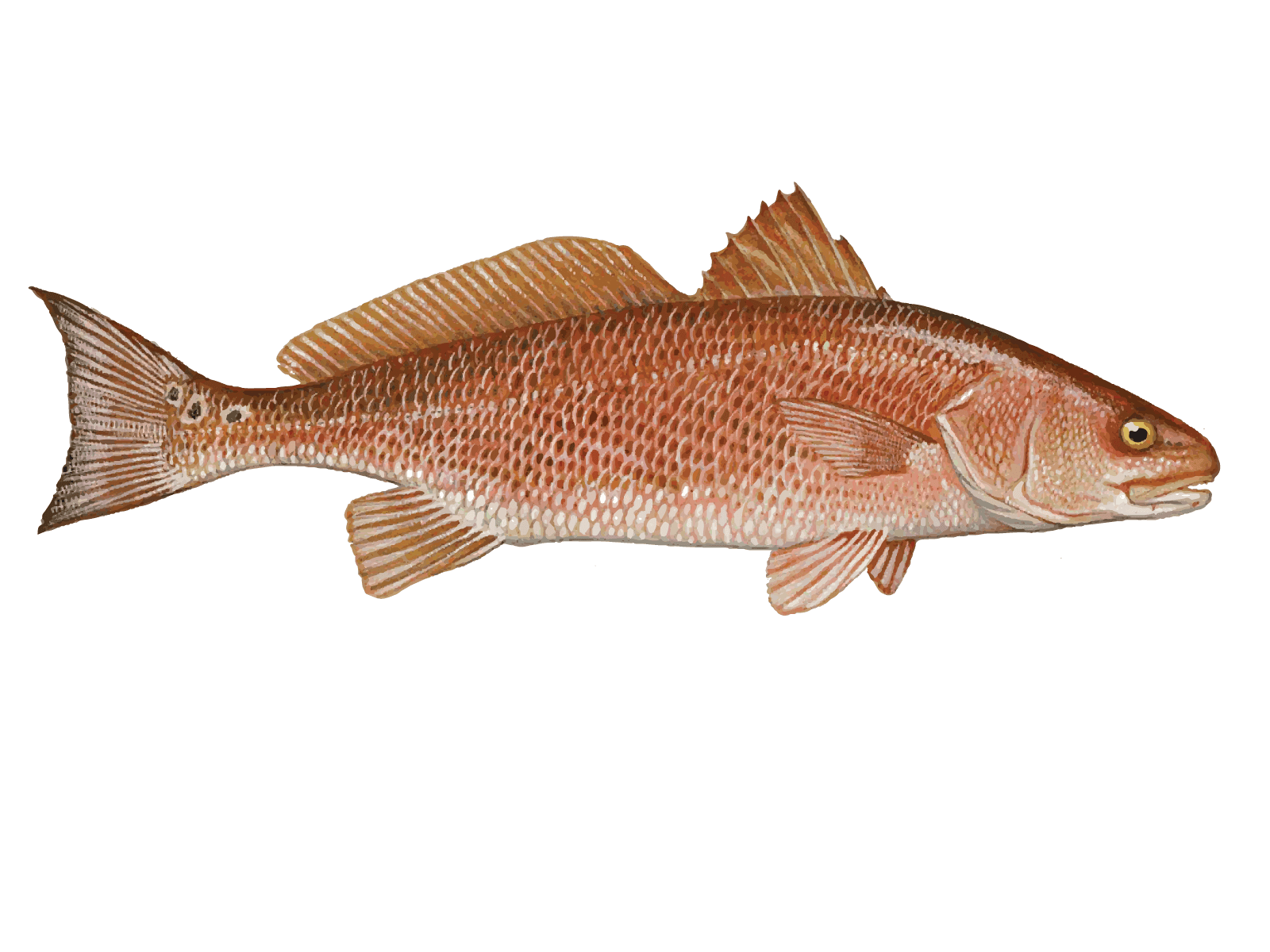
Redfish
Redfish are the backbone of our inshore fishing - bronze-colored bruisers with distinctive black spots near the tail. They range from slot-size fish around 20-27 inches up to massive "bulls" over 40 inches that'll test your tackle. You'll find them cruising shallow flats, oyster bars, and mangrove edges in just 1-4 feet of water - sometimes so shallow their backs show. They bite year-round but fall and spring are hot when they're feeding heavily. What makes reds special is their power and that black spot that fools predators into attacking the wrong end. They're also excellent eating with firm, slightly sweet meat. The bigger fish are better released since they're the prime breeders. My tip for Homosassa waters: look for "tailing" fish rooting in the shallows, and approach quietly. A gold spoon or soft plastic shrimp worked slowly near their nose usually triggers a strike. Keep your drag smooth - they make long, powerful runs.
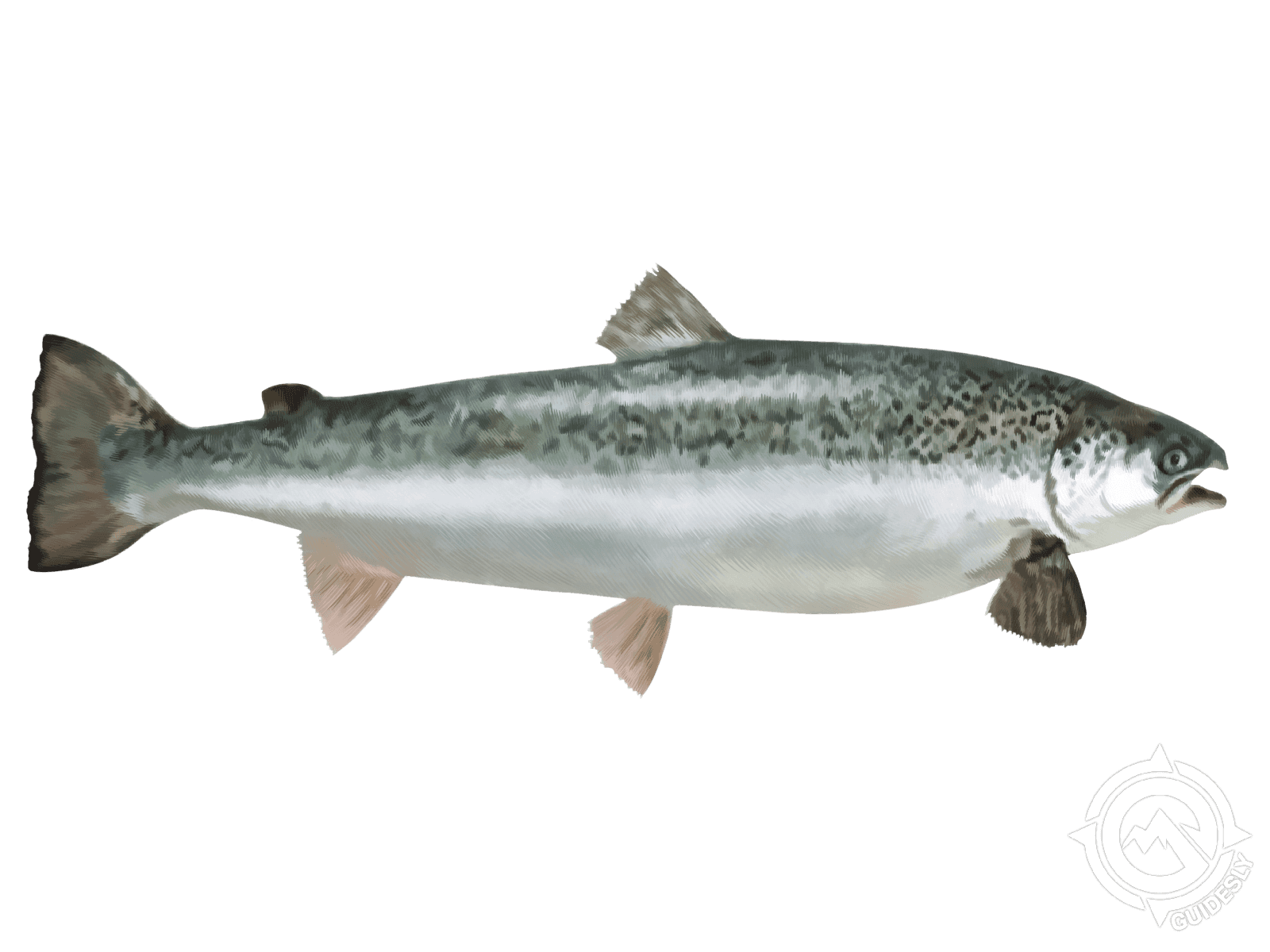
Sea Trout
Spotted seatrout, or "specks" as we call them, are beautiful fish covered in distinctive black spots with a silvery-green back. They average 14-20 inches and 1-3 pounds, but we regularly see "gator trout" over 24 inches that are real trophies. They love grass flats in 2-6 feet of water, especially around potholes and drop-offs. Spring and fall are peak seasons, but they bite year-round here. In winter, they school up in deeper holes. What guests enjoy is their willingness to hit both live bait and artificials, plus they're great table fare with mild, flaky white meat. The soft mouth means you have to be gentle - too much pressure and you'll pull the hook right out. My local tip: fish the grass flats early morning with topwater plugs, then switch to soft plastics under a popping cork as the sun gets higher. Look for nervous water and diving birds - that's where the baitfish are, and the trout won't be far behind.
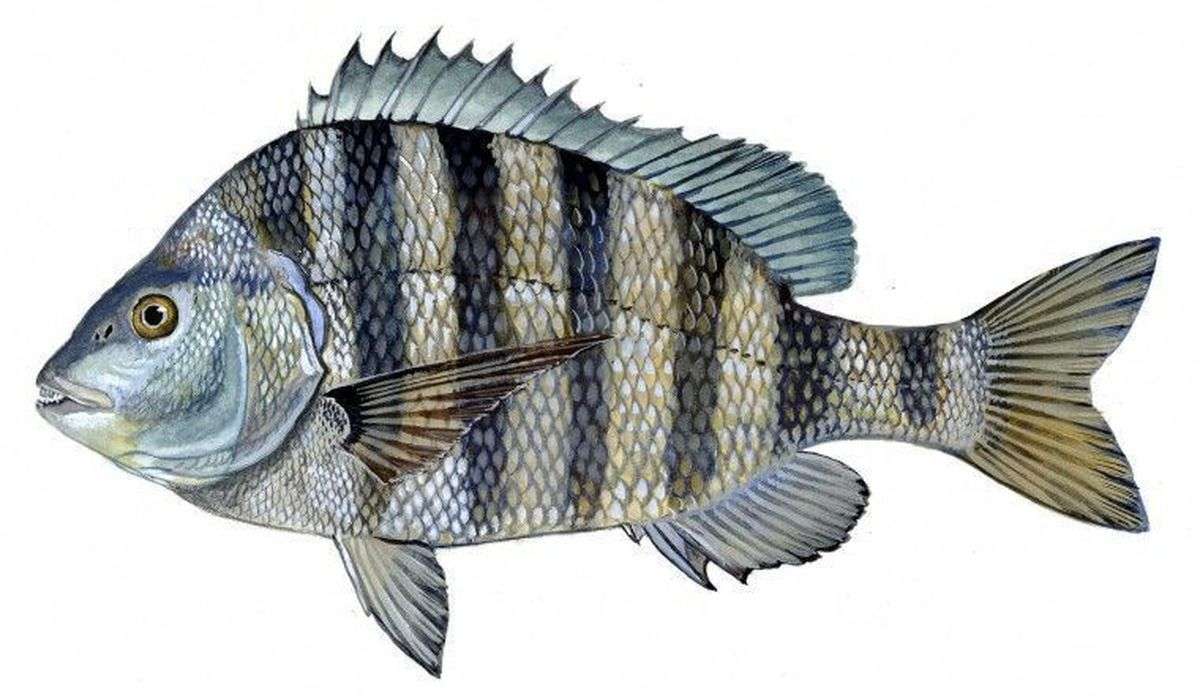
Sheepshead
Sheepshead are the "convict fish" with their black and white stripes, and they've got human-like teeth that'll surprise you. Most run 2-4 pounds and 14-18 inches, though we catch some monsters pushing 8-10 pounds around the right structure. They live around docks, bridges, and any barnacle-covered pilings where they scrape off crustaceans with those teeth. Winter and early spring are prime time when they school up for spawning. What makes them fun is they're notorious bait thieves - you'll feel them pecking at your bait trying to steal it clean. The meat is sweet and flaky, some of the best eating in these waters. Here's my tip: use small hooks with fresh shrimp or fiddler crabs, and when you feel that subtle pecking, don't wait - set the hook hard. They have bony mouths, so you need to drive that hook home. Fish tight to structure too - they rarely venture far from cover.
Snook
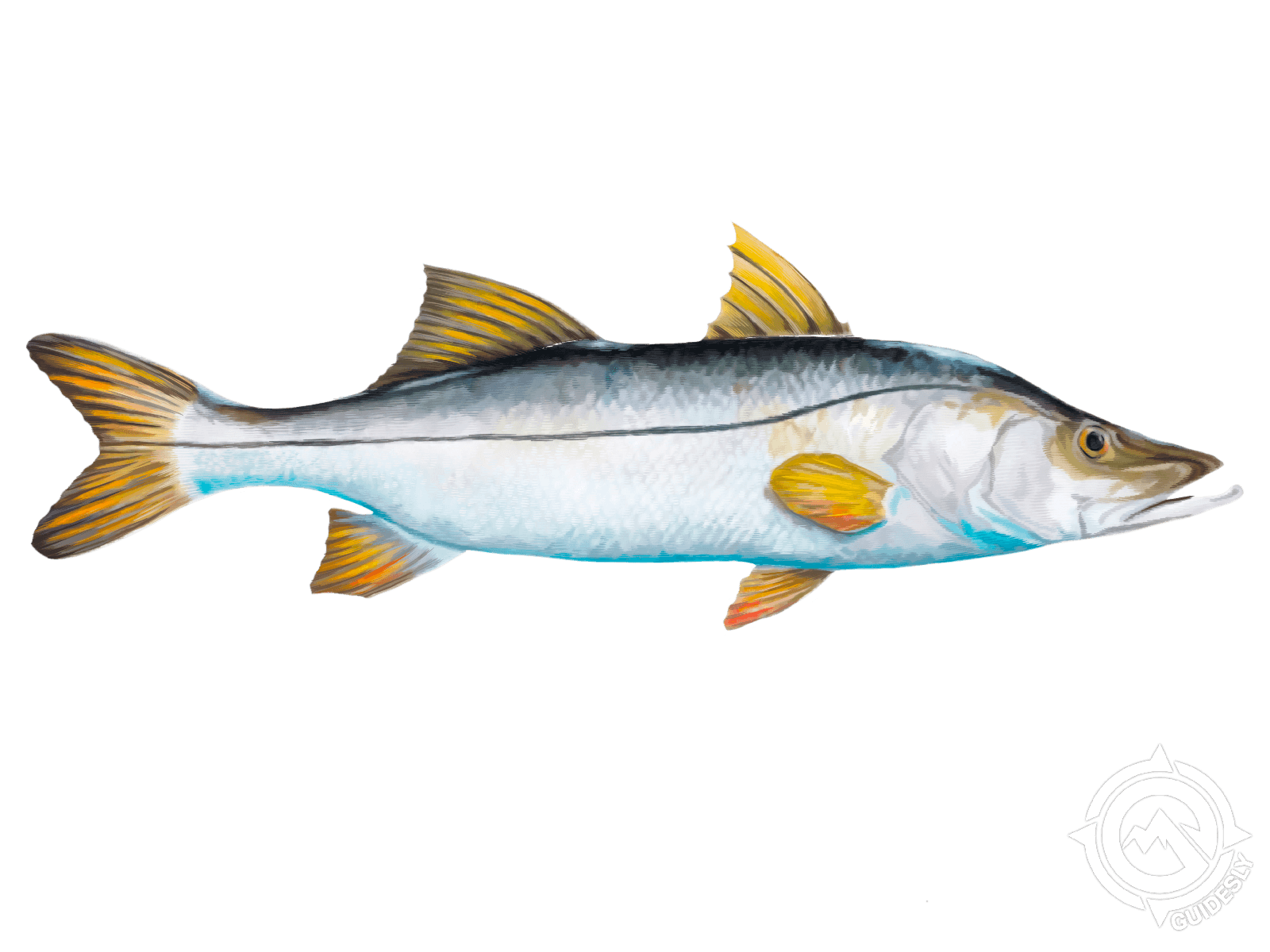
Snook are the prize fish of our inshore waters - sleek predators with that distinctive black lateral line and bright yellow fins during spawning season. They typically run 18-24 inches but can reach over 40 inches and really test your drag. You'll find them around mangrove shorelines, dock pilings, and creek mouths where they ambush baitfish. They love structure and current breaks. Spring through fall are your best bets, especially around dawn and dusk when they're actively feeding. What guests love about snook is their explosive strikes and powerful runs - they'll jump and make screaming runs toward cover. The meat is fantastic too, sweet and firm. Here's the trick: they're extremely temperature sensitive, so when it drops below 60°F, they go deep and get sluggish. Focus on deeper holes and fish slow. Also, they have razor-sharp gill plates, so always wet your hands before handling.
Southern Flounder
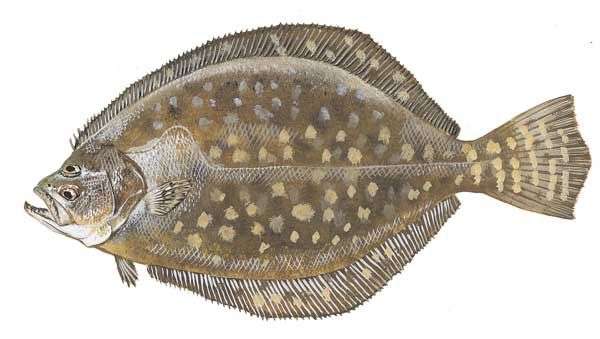
Southern Flounder are unique flatfish that lay on sandy bottoms and ambush prey from below. They're masters of camouflage, changing color to match the substrate perfectly. Most run 15-18 inches around here, but we see some pushing 25+ inches that really put up a fight. You'll find them in shallow bays and grass flats, especially where the bottom transitions from sand to mud. Fall and winter months are prime time when they're moving toward deeper water to spawn. What makes them special is those human-like eyes both on one side of their head - pretty wild to see up close. They're excellent table fare with sweet, flaky white meat. My tip: when drift fishing for them, use live shrimp or small pinfish on a Carolina rig and fish it slow. They'll mouth the bait before committing, so wait for that solid thump before setting the hook.
About the Flats Boat
%2F%2Fusers%2Ffb398e7b-c7fd-4655-93cc-a4e5b2fc0082%2Fvehicle_picture%2Funnamed-jun-03-2025-12-16-20-8548-pm.jpg&w=1920&q=75)
Vehicle Guest Capacity: 6
Manufacturer Name: Yamaha
Maximum Cruising Speed: 50
Number of Engines: 1
Horsepower per Engine: 150